


You've picked up a collagen face cream, good move. But knowing how to use collagen face cream properly is what separates real results from wasted product. Apply it at the wrong step, layer it with the wrong actives, or skip key prep, and you're leaving most of its benefits sitting on the surface instead of where your skin actually needs them.
At Xquisit Luxe, we formulate our skincare with certified natural ingredients and dermatologist-tested formulations designed for real, visible results. Our customers across the UK consistently tell us that once they adjusted how they applied their creams, not just which ones, their skin changed within weeks. That feedback shaped this guide. Proper technique matters just as much as product quality, and we want you to get the most from every drop.
This article walks you through the correct order for collagen cream in your routine, step-by-step application techniques, how often to use it, and exactly which ingredients play well together, and which ones don't. Whether you're building a routine from scratch or fine-tuning one you already have, you'll finish with a clear, practical plan you can use tonight.
What collagen face cream does and doesn't do
Before you understand how to use collagen face cream correctly, it helps to know what the product is actually doing on your skin. Collagen is the structural protein that keeps skin firm, plump, and resilient. Your body produces it naturally, but that production slows from your mid-twenties onward, which is why you start noticing fine lines, reduced firmness, and dullness over time. A good collagen face cream works to address those visible signs directly.
What it actually does for your skin
Collagen face cream delivers hydration and surface-level support by forming a moisture barrier that reduces water loss from the skin. The collagen molecules in most creams are too large to penetrate the skin barrier on their own, so the cream works in two key ways: it seals moisture in at the surface, and it carries supporting ingredients such as peptides, vitamin C, and hyaluronic acid that travel deeper and signal your fibroblasts to produce more of their own collagen. The result is skin that feels more supple and looks more rested with regular use.
The real work happens from within: ingredients that support collagen synthesis often matter just as much as the collagen listed on the label.
Regular use improves skin texture and elasticity over time. Most people notice visible changes in firmness and hydration within four to eight weeks of consistent use, provided the cream is applied at the right step in their routine and their skin is properly prepped beforehand. The improvements are gradual, which is completely normal with any topical skincare product. Consistency matters far more than the amount you apply on any given day.
What it cannot do
Topical collagen cream is not a substitute for professional treatments such as fillers, microneedling, or prescription-strength retinoids when you're dealing with significant structural changes in the skin. It works best as a daily maintenance tool rather than a corrective procedure. Expecting overnight results, or using more product than recommended, won't accelerate the process and can irritate your skin unnecessarily.
Your cream also won't perform well if your skin isn't ready to receive it. Applying collagen cream over unclean or un-exfoliated skin means dead skin cells and surface debris create a physical barrier between the product and your skin. Cleansing and toning beforehand aren't optional extras; they're what make the cream actually work.
Knowing these limits makes you a more effective user, not a disappointed one. You'll set realistic expectations, build a routine that delivers results, and stop second-guessing why your cream isn't performing the way you hoped. That's the foundation for everything that follows in this guide.
Step 1. Choose a formula and patch test
Getting how to use collagen face cream right starts before you even open the jar. The formula you choose directly affects how your skin responds, and skipping a patch test before full-face application is one of the most common mistakes people make, even with certified natural formulations.
Pick the right formula for your skin type
Not every collagen cream suits every skin type. Choosing the wrong texture or formula can cause breakouts on oily skin or leave very dry skin under-moisturised, so match your choice to your actual skin needs rather than the most appealing label.
| Skin type | What to look for | What to avoid |
|---|---|---|
| Dry or mature | Rich, emollient base with hyaluronic acid | Lightweight gels with low oil content |
| Oily or acne-prone | Lightweight, non-comedogenic formula | Heavy creams with thick occlusives |
| Sensitive | Fragrance-free, minimal ingredient list | Formulas containing alcohol or synthetic fragrances |
| Combination | Balanced formula with moderate hydration | Very heavy creams applied all over the face |
Combination skin often works well with a targeted approach: apply a lighter touch across the T-zone and a slightly more generous layer on the cheeks where dryness tends to concentrate.
How to patch test correctly
A patch test takes 48 hours and minimal effort, but it protects your skin from a reaction that could set your entire routine back by weeks. Apply a small amount of cream to the inside of your wrist or behind your ear, leave it unwashed for 24 hours, then check for redness, itching, or swelling over the next day.
If any irritation appears, stop use immediately and allow your skin to fully settle before trying a different formula.
Wait the full 48 hours before applying the cream to your face. If your skin shows no reaction, you're clear to move into your morning or evening routine with confidence.
Step 2. Apply it in your morning routine
Your morning routine sets your skin's baseline for the entire day, so application order matters more than most people realise. Collagen face cream goes on after any water-based serums and before your SPF, which should always be the final step in a daytime routine. Placing it in the wrong order means lighter products cannot penetrate past the cream's moisturising barrier.
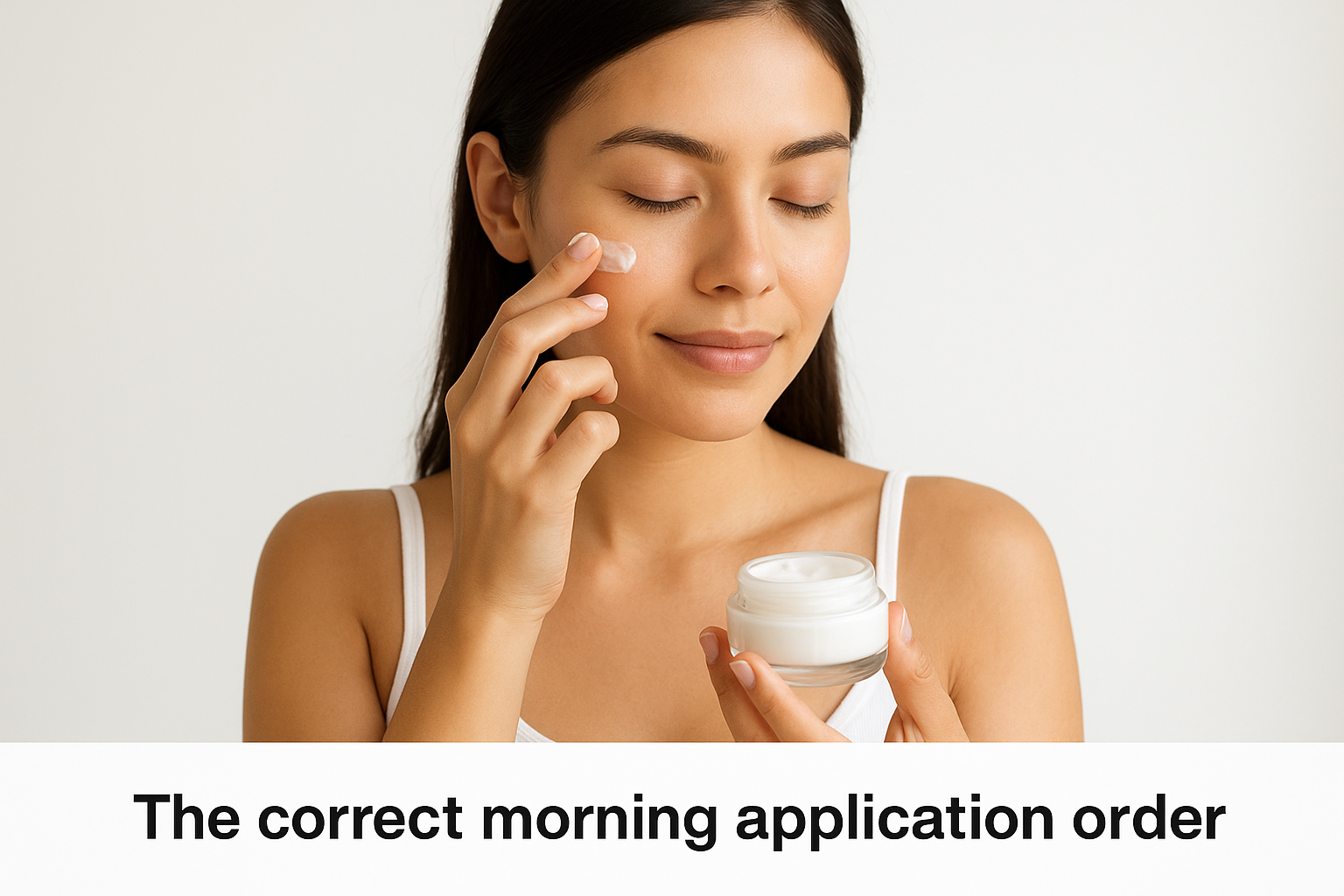
The correct morning application order
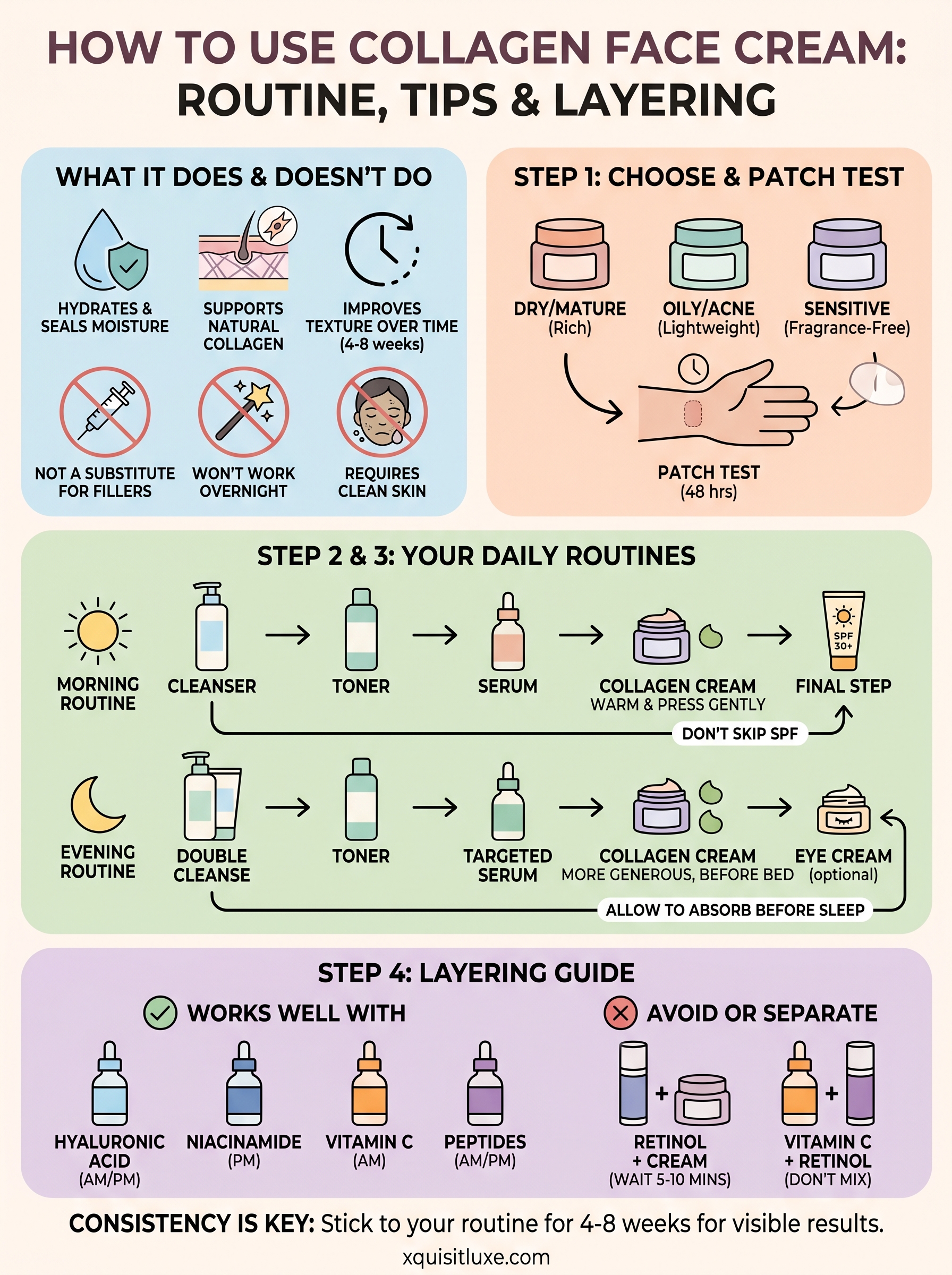
Follow this sequence every morning to give each product the best chance of absorbing properly:
- Cleanser - Remove overnight skin secretions with a gentle, sulphate-free wash
- Toner - Balance your skin's pH and prep the surface for absorption
- Serum (vitamin C or hyaluronic acid) - Apply any targeted serums while skin is still slightly damp
- Collagen face cream - Lock in the layers beneath and deliver moisture
- SPF 30 or higher - Seal everything in and protect collagen from UV breakdown
Skipping SPF in the morning actively undoes the collagen-supporting work your cream is doing, because UV exposure is the single biggest driver of collagen degradation.
How to apply the cream correctly
Take a pea-sized amount of cream and warm it between your fingertips for a few seconds before touching your face. This softens the formula and helps it spread evenly. Press the cream gently into your skin using upward, outward movements across your cheeks, forehead, and chin, rather than rubbing downward, which drags the skin unnecessarily.
Pay particular attention to the eye area and neck, as these zones lose collagen faster and are often under-treated. Use your ring finger around the orbital bone, applying light pressure rather than pulling. Understanding how to use collagen face cream with the correct morning technique ensures you are not wasting product or missing the areas that need it most.
Step 3. Apply it in your evening routine
Your evening routine gives your skin uninterrupted time to repair and regenerate, which makes it the most valuable window for collagen cream. While your morning application focuses on protection and moisture retention, your night-time application supports the skin's natural renewal cycle, which peaks during sleep. This distinction matters when you decide which products to pair with your cream and how much you apply.
The correct evening application order
Evening routines allow slightly more flexibility than morning ones, because you're not working toward SPF as a final step. The order below removes everything from the day, then layers actives before your collagen cream seals the routine. Understanding how to use collagen face cream at night means recognising that this is the step that locks in everything applied before it.
- Double cleanse - Start with an oil-based cleanser to dissolve SPF and makeup, then follow with your usual gel or foam cleanser
- Toner - Rebalance your skin's pH after cleansing
- Targeted serum (retinol or niacinamide) - Apply any treatment serums to clean, slightly damp skin
- Collagen face cream - Apply last to seal hydration and support overnight repair
- Eye cream (optional) - If used separately, apply with your ring finger before or after your collagen cream
Your skin absorbs ingredients more readily at night when there is no UV exposure or environmental stress competing with the process.
How to apply at night for best results
Use a slightly more generous amount at night than in the morning, as your skin loses more moisture during sleep through a process called transepidermal water loss. Warm a full pea to two pea-sized amount between your fingers and press gently into the skin using the same upward, outward technique from your morning routine.
Give the cream at least five minutes to absorb before laying your head on the pillow. Switching to a silk or satin pillowcase reduces friction that drags at your skin overnight and gradually undoes the hydration your cream is working to lock in.
Step 4. Layer it with actives and avoid issues
Understanding how to use collagen face cream within a routine that includes other actives is where most people run into problems. Collagen cream acts as a sealing layer, which means anything you apply underneath it gets locked in alongside your other products. Apply a conflicting combination beneath it, and your skin will react accordingly.
Which actives work well alongside collagen cream
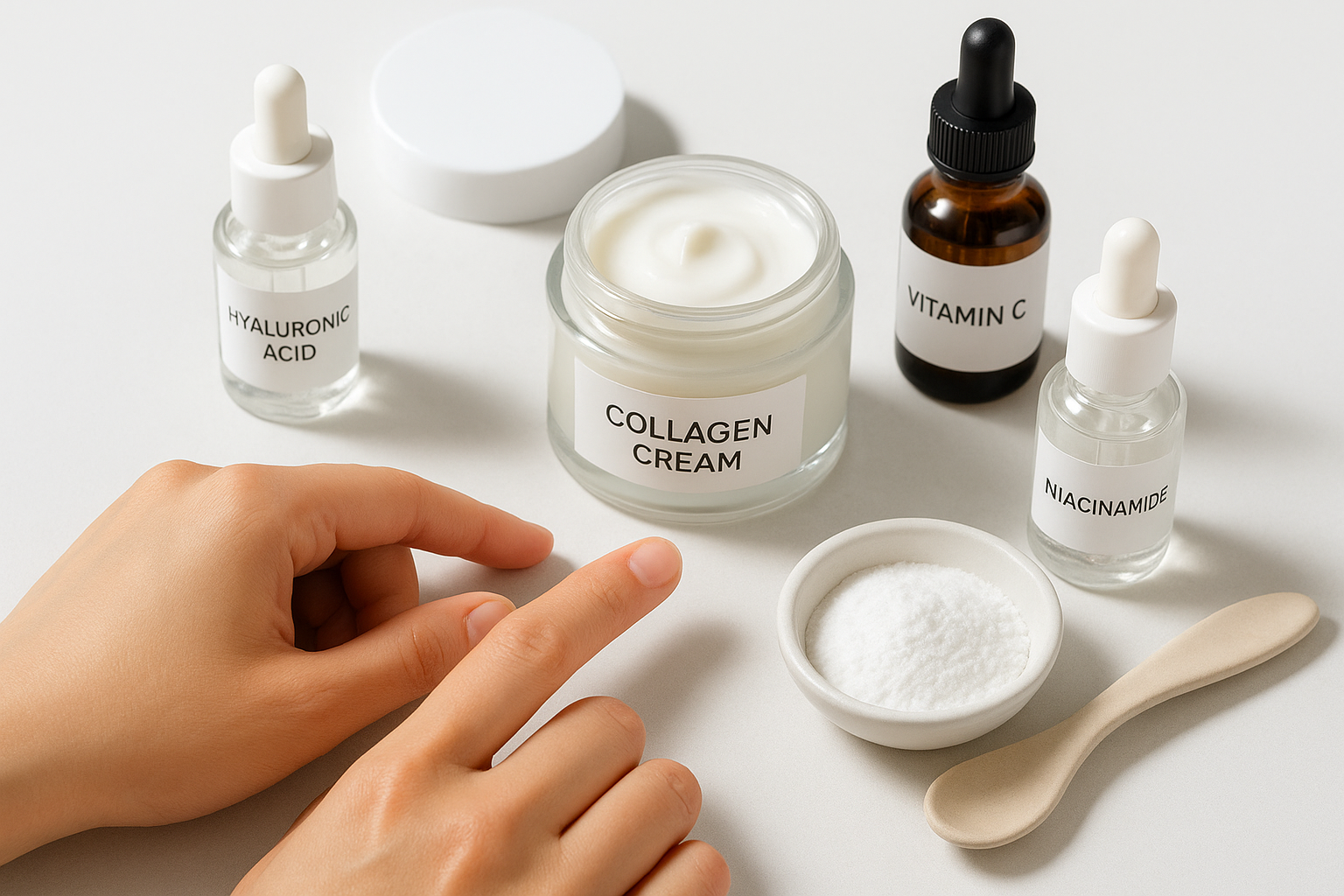
Several ingredients genuinely support and amplify what your collagen cream is doing rather than competing with it. Pairing the right actives means you get compounding benefits rather than irritation or reduced efficacy from products working against each other.
| Active | How it works with collagen cream | Best time to use |
|---|---|---|
| Hyaluronic acid | Draws moisture into skin before cream seals it | Morning and evening |
| Niacinamide | Supports skin barrier and brightens tone | Evening |
| Vitamin C | Boosts collagen synthesis when applied beneath cream | Morning |
| Peptides | Signals collagen production in deeper layers | Morning or evening |
Applying hyaluronic acid to slightly damp skin before your collagen cream gives it significantly more moisture to draw from, making both products more effective.
What to avoid layering together
Some active ingredients conflict directly with collagen cream or with each other within the same routine step. Retinol applied immediately before a rich collagen cream can cause excessive occlusion, trapping retinol against your skin and increasing the risk of sensitivity. Use retinol first on its own, wait five to ten minutes, then apply your collagen cream over the top.
Avoid combining vitamin C and retinol in the same routine step entirely. Vitamin C belongs in the morning, retinol in the evening. Mixing both beneath your collagen cream in a single application can destabilise the vitamin C and reduce its effectiveness before it even absorbs. Keeping your actives separated by time, not just by layer, allows your collagen cream to perform consistently without interference.
Keep your routine simple and consistent
The biggest mistake people make after learning how to use collagen face cream correctly is overcomplicating everything that follows. Consistency over four to eight weeks delivers far better results than adding more products or switching formulas every few days. Pick your morning and evening sequences, stick to them, and let the ingredients do the work without constant interruption.
Results come from repetition, not perfection. If you miss a morning application, simply continue that evening without doubling up. Track how your skin feels after four weeks on the same routine, and only adjust one variable at a time if something needs changing. Keeping it simple means you can actually sustain it long-term, which is the only way topical skincare produces lasting change.
Ready to build that routine with products that are certified natural and dermatologist-tested? Browse the full natural skincare collection at Xquisit Luxe and find the right collagen cream for your skin type and concerns.

