


Dark circles can make you look tired, older, and run-down, even when you feel perfectly fine. If you've been searching for a cruelty-free eye cream for dark circles, you already know the struggle: dozens of products promise results, but far too many rely on harsh synthetic ingredients or are tested on animals. Finding one that actually works and aligns with your values shouldn't be this difficult.
Ready to try it? Our Collagen Eye Gel is a good starting point, and our Best Under Eye Cream collection has more to choose from.
At Xquisit Luxe Self Care, we formulate certified natural, cruelty-free skincare right here in the UK, including our own dermatologist-tested eye cream designed to tackle dark circles and fine lines. So we know exactly what separates a genuinely effective eye cream from one that's all packaging and no substance.
We've put together this list of seven standout cruelty-free eye creams available in the UK for 2026, covering a range of budgets and skin types. Each pick was evaluated on ingredient quality, real user feedback, and ethical credentials, so you can shop with confidence and without compromise.
1. Xquisit Luxe Self Care eye cream
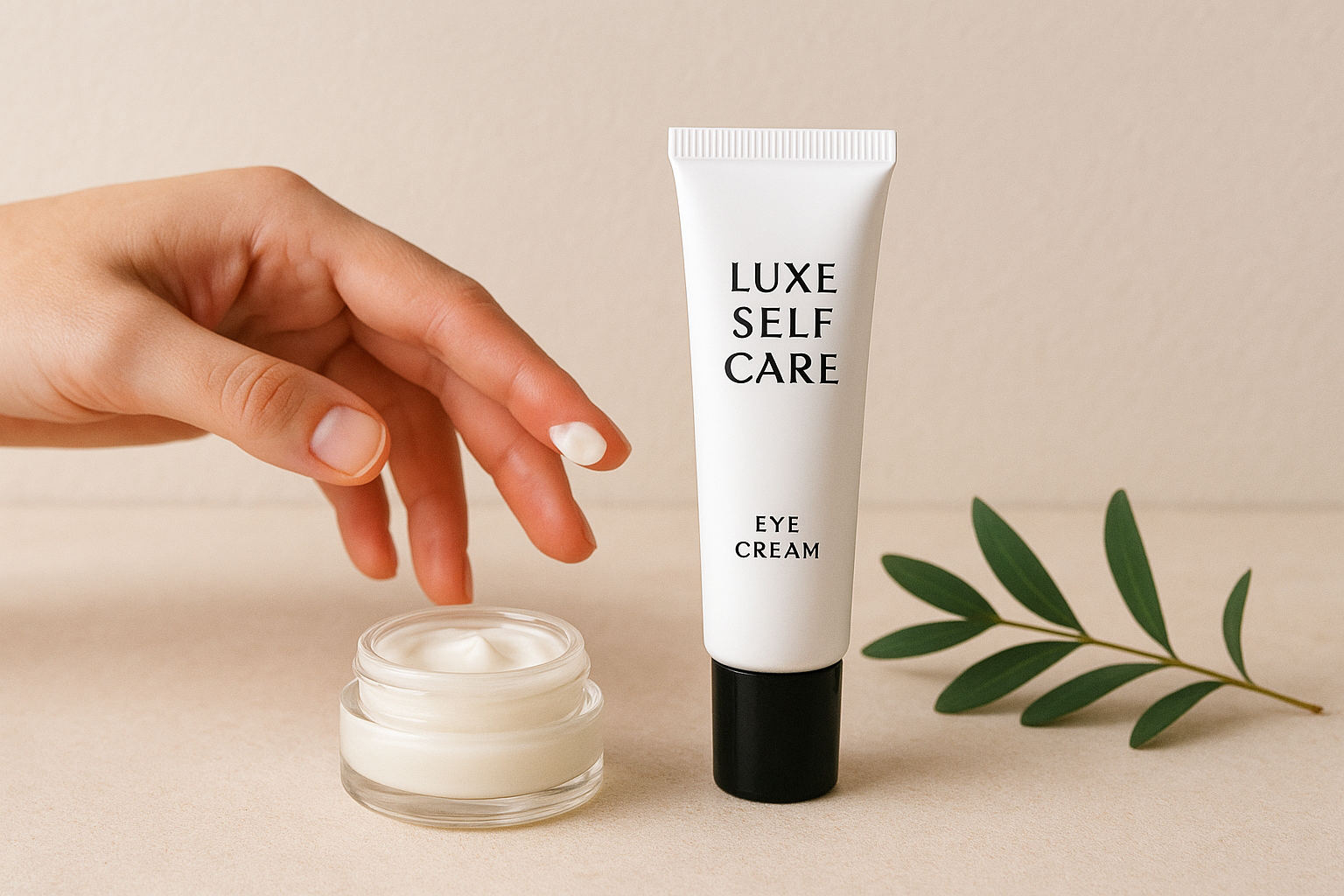
Xquisit Luxe Self Care sits at the top of this list for a clear reason. As a UK-made, certified natural skincare brand, it produces a dermatologist-tested eye cream formulated specifically to reduce dark circles, puffiness, and fine lines around the delicate eye area. Every product is 100% cruelty-free, with no animal testing at any stage of production, so you know exactly what you're putting on your skin and where it comes from.
What it targets
This eye cream focuses on three of the most common under-eye concerns: dark circles caused by poor circulation or pigmentation, puffiness from fluid retention, and fine lines that tend to deepen with age and dehydration. If you're looking for a cruelty-free eye cream for dark circles that also addresses broader signs of fatigue and ageing, this formulation covers the full picture without compromise.
Tackling dark circles, puffiness, and fine lines in a single product means you're not layering multiple treatments, which is easier on the skin and your budget.
Standout ingredients to look for on the label
Look for vitamin C and peptides in the formulation. Vitamin C brightens discolouration and evens out under-eye tone, while peptides support collagen production to firm the surrounding skin over time. The certified natural formula avoids synthetic fillers and harsh chemicals, keeping the product gentle on the thin, reactive skin around the eyes.
Texture and wear under makeup
The cream absorbs quickly without leaving a greasy residue. Its lightweight consistency sits smoothly under concealer and foundation, making it practical for daily use whether you wear makeup or not. Your skin stays hydrated and comfortable throughout the day, with no pilling or disruption to your base.
Who it suits best
This product works well for women aged 25 to 55 who want visible, results-driven skincare without compromising on ethical standards. It also suits anyone with sensitive or reactive skin, as the dermatologist-tested formulation is designed to minimise irritation and layer easily with other steps in your routine.
Collagen Eye Gel — £11.99
A lightweight eye cream with vitamin C and peptides that works on dark circles, puffiness and fine lines in a single step. Made in the UK, dermatologist tested and cruelty-free.
Free UK delivery on orders over £25, and a 30-day money-back guarantee. New customers get 10% off a first order with the Xquisit Club newsletter.
2. UpCircle eye cream
UpCircle is a UK-based sustainable beauty brand built on upcycled ingredients, and their eye cream has built a strong reputation among shoppers seeking an ethical, results-focused option. If you want a cruelty-free eye cream for dark circles with a commitment to sustainability, UpCircle delivers on both counts.
What it targets
UpCircle's eye cream addresses dark circles and puffiness as its primary focus. The formulation is designed to brighten the under-eye area and reduce the appearance of fatigue over consistent use.
Regular application morning and night gives you the best chance of seeing a visible improvement in tone and puffiness within four to six weeks.
Standout ingredients to look for on the label
The star ingredient is upcycled coffee oil, derived from repurposed coffee grounds that would otherwise go to waste. Coffee is rich in caffeic acid, which supports skin brightening and circulation. You will also find hyaluronic acid in the formula, which draws moisture into the delicate under-eye skin and helps plump fine lines over time.
Texture and wear under makeup
The cream has a rich but absorbent texture that sinks in without leaving heaviness behind. It layers well under concealer without balling up or shifting throughout the day.
Who it suits best
UpCircle suits eco-conscious shoppers who prioritise zero-waste sourcing alongside visible skincare results. It works particularly well for dry or normal skin types.
How it compares
UpCircle's real strength is the pairing of upcycled coffee oil with hyaluronic acid, which brightens and hydrates at the same time, and the zero-waste sourcing is genuinely well established. The trade-off is texture and scope: it is a richer cream aimed at dry and normal skin, and its focus is dark circles and puffiness rather than firmness. A UK-made natural formula that combines brightening actives with peptides covers more of the under-eye picture in one lightweight step.
3. Green People scent free eye cream
Green People is a certified organic UK brand with decades of experience in natural skincare. Their scent-free eye cream is a good option if you want a cruelty-free eye cream for dark circles that is also completely free from fragrance and the synthetic irritants that often sneak into under-eye products.
What it targets
This eye cream targets dark circles and puffiness as its primary concerns. It focuses on brightening and de-puffing the under-eye area without relying on fragrance or potentially reactive synthetic ingredients that can inflame the thin skin around your eyes.
Fragrance is one of the most common triggers for eye-area irritation, so a scent-free formula is a practical choice for reactive skin types.
Standout ingredients to look for on the label
The formula stays plant-based and certified organic throughout. Key actives to check on the label include:
- Organic aloe vera for soothing hydration and calming puffiness
- Rosehip oil for natural vitamin A, supporting skin renewal and gradual brightening of discolouration
Texture and wear under makeup
The cream has a smooth, gel-like texture that absorbs quickly without leaving any residue. It sits comfortably under concealer or tinted moisturiser without pilling throughout the day, making it practical as both a morning and evening treatment.
Who it suits best
Green People suits anyone with sensitive, fragrance-allergic, or eczema-prone skin who still wants visible results. Those with pigmentation-based dark circles will benefit most from consistent daily use, though reduced puffiness often shows within a few weeks.
How it compares
Green People does the fragrance-free brief properly, and its certified organic aloe vera and rosehip oil are a sound, calming choice if scent is one of your triggers. Those botanicals work gradually, so pigmentation-based circles need patient daily use before much changes, and the formula is aimed at brightening and de-puffing rather than fine lines. A UK-made natural formula that adds peptides alongside its brightening actives keeps the same gentle approach while also working on firmness.
4. The INKEY List caffeine eye cream
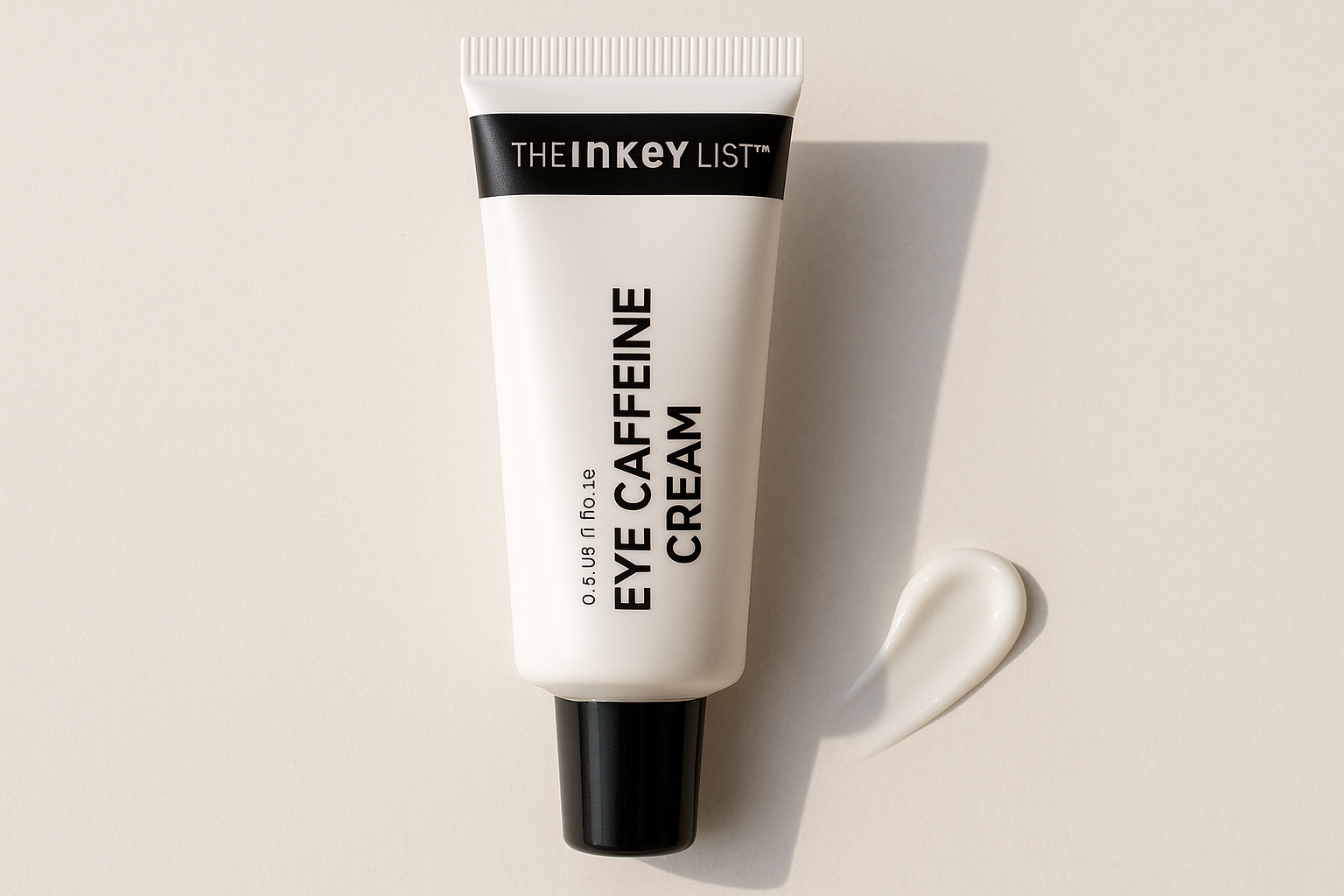
The INKEY List has built its reputation on affordable, ingredient-led skincare that puts effective formulations within reach of most budgets. Their caffeine eye cream is a bestseller and a solid pick for anyone after a cruelty free eye cream for dark circles that won't stretch their spending.
What it targets
This eye cream targets puffiness and dark circles caused by poor circulation and fluid retention around the eye area. It works best with daily morning application, particularly when you store it in the fridge overnight for an enhanced cooling effect on the skin.
Applying a chilled caffeine eye cream at the start of your day helps constrict blood vessels and reduce visible puffiness faster than applying it at room temperature.
Standout ingredients to look for on the label
The formula centres on two key actives that work well together:
- 5% caffeine: constricts blood vessels to tackle puffiness and improve under-eye circulation
- Hydrolysed collagen: firms the delicate skin around the eye and supports a smoother, less hollow appearance over time
Texture and wear under makeup
The lightweight gel texture absorbs quickly without leaving a greasy film. It layers cleanly under concealer or foundation without pilling or shifting throughout the day, making it a practical choice for everyday use.
Who it suits best
This product works best for oily and combination skin types wanting a no-fuss morning option. It also suits first-time eye cream users looking for a straightforward introduction to targeted under-eye care without committing to a high price point.
How it compares
This is a well-judged, ingredient-led product: 5% caffeine for puffiness and circulation, hydrolysed collagen for firmness, in a light gel that suits oily and combination skin and makes an easy first eye cream. It is deliberately narrow, leaning on caffeine for most of its effect, so pigmentation-driven dark circles get less direct attention. A UK-made natural formula built around vitamin C and peptides works on tone and firmness alongside puffiness, without synthetic fillers.
5. The Ordinary caffeine solution 5% and EGCG
The Ordinary sits firmly in the budget-friendly, science-led skincare category and has amassed a loyal following for keeping its formulations simple and transparent. While technically a serum rather than a cream, it functions as a cruelty free eye cream for dark circles alternative that punches above its price point.
What it targets
This product focuses on puffiness and dark circles driven by sluggish circulation beneath the eye. The formula works best when applied consistently every morning as part of your regular skincare routine, rather than as an occasional treatment.
If you want faster results on stubborn puffiness, store this serum in the fridge before applying it each morning.
Standout ingredients to look for on the label
Two key actives define this formula:
- 5% caffeine: tightens blood vessels to visibly reduce puffiness and discolouration
- EGCG (epigallocatechin gallate): a green tea antioxidant that helps protect delicate under-eye skin from oxidative stress and supports a brighter, more even tone
Texture and wear under makeup
The serum has a thin, watery consistency that absorbs almost immediately. It layers cleanly beneath moisturiser and concealer without pilling, though some dry skin types may want to follow it with a richer eye cream for added hydration.
Who it suits best
This works best for oily or combination skin types who want maximum caffeine concentration at a minimal spend.
How it compares
The transparency here is admirable, and the caffeine and EGCG combination is a genuinely effective, no-frills way to work on puffiness and antioxidant protection, with a watery texture that vanishes under makeup. It is a serum rather than a cream, though, so drier skin needs a moisturiser layered over the top, and it is built around circulation rather than firming. A UK-made natural eye cream delivers hydration, brightening and peptide support in one product instead of two.
6. Biossance squalane and peptide eye gel
Biossance is a US-based clean beauty brand that has built a following in the UK for its vegan, cruelty-free formulations built on sugarcane-derived squalane. Their eye gel is one of the more premium options on this list and works as a strong cruelty free eye cream for dark circles if you want a gel-format product that prioritises both deep hydration and visible firming.
What it targets
This gel addresses dark circles and fine lines simultaneously, working to restore firmness to the under-eye area while gradually brightening discolouration over consistent use. It also targets dehydration specifically, which is often an overlooked cause of shadows and hollowing beneath the eyes.
Dehydrated under-eye skin amplifies the appearance of dark circles significantly, so a hydrating formula can deliver visible improvement even before brightening actives take full effect.
Standout ingredients to look for on the label
The formula is built around plant-derived squalane, which mimics the skin's own natural lipids to deliver moisture without greasiness. You will also find peptides on the label, which encourage collagen production and improve the elasticity of the delicate tissue surrounding the eye.
Texture and wear under makeup
The lightweight gel texture absorbs quickly and leaves no sticky residue behind. It layers cleanly under concealer or tinted moisturiser without disrupting your base or balling up throughout the day.
Who it suits best
This gel works best for oily or combination skin types who find traditional eye creams too heavy. It also suits anyone focused on long-term firming alongside gradual brightening of dark circles.
How it compares
Biossance is the most indulgent pick here, and it earns it: plant-derived squalane hydrates without greasiness, peptides support elasticity, and the gel format suits skin that finds traditional eye creams too heavy. It sits at the premium end of this list, and as a US brand it does not carry the UK-made, certified natural credentials some shoppers specifically look for. A UK-made natural formula covers the same hydration-and-firming brief with peptides, and brings brightening actives to the pigmentation side as well.
7. cocokind revitalizing eye cream
Cocokind is a US-based clean beauty brand with a strong ethical commitment: fully transparent pricing, minimal ingredients, and a certified cruelty-free supply chain. Their revitalising eye cream has gained traction in the UK as an affordable, no-fuss option that focuses on brightening tired eyes with plant-based actives.
What it targets
This eye cream primarily targets dark circles and dryness around the eye area. It takes a hydration-first approach, working on the understanding that well-moisturised under-eye skin reflects light better and shows less discolouration over time.
Consistent daily hydration beneath the eyes can visibly reduce the shadow effect that comes from dehydrated, sunken skin.
Standout ingredients to look for on the label
The formula keeps its ingredient list short and effective. Look for vitamin C, which brightens pigmented dark circles, and niacinamide, which evens skin tone and helps reduce the appearance of discolouration with continued use.
Texture and wear under makeup
The eye cream has a lightweight, creamy texture that absorbs without leaving heaviness or shine. It sits comfortably under concealer without pilling throughout the day.
Who it suits best
This works well for anyone seeking a gentle cruelty free eye cream for dark circles with minimal ingredients. It suits dry and sensitive skin types who want straightforward hydration and gradual brightening without a long ingredient list.
How it compares
Cocokind keeps its ingredient list deliberately short, and the vitamin C and niacinamide pairing is a sound, gentle route to more even under-eye tone, with a hydration-first approach that suits dry and sensitive skin well. That simplicity is also its limit: there is little here aimed at firming or fine lines, and it is a US brand rather than a UK-made one. A UK-made natural formula keeps the same gentle, short-ingredient feel but adds peptides so fine lines are covered too.
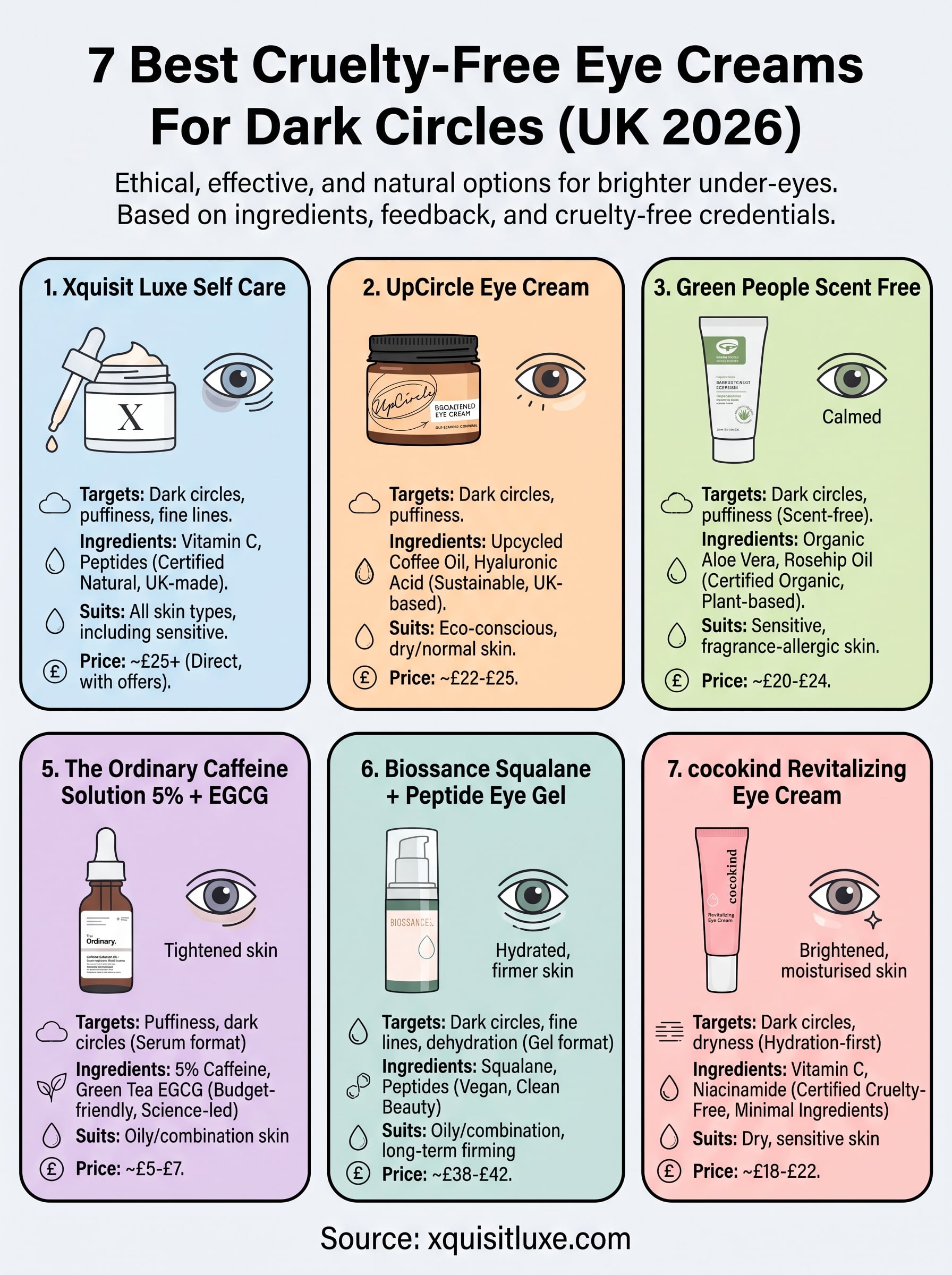
Choosing by concern: dark circles, puffiness or fine lines
"Eye cream" gets treated as one category, but dark circles, puffiness and fine lines are three different problems with three different ingredient answers. Most people have some combination of all three, which is why a lot of the products on this list combine actives rather than relying on one.
If dark circles are your main concern
Look for vitamin C and niacinamide, which target pigmentation and uneven tone directly, and vitamin K or peptides, which support the thin blood vessels responsible for the bluish shadow many people see under their eyes. If your circles are more about hollowing than pigmentation, a hydrating, plumping formula with hyaluronic acid or collagen peptides will do more than a brightening one.
If puffiness is your main concern
Caffeine is the ingredient with the most consistent track record here — it constricts blood vessels and reduces fluid retention, which is why so many effective formulas lead with it. Cooling application (keeping the product in the fridge, or using a metal applicator) adds a genuine short-term effect on top of the formula itself.
If fine lines and wrinkles are your main concern
Peptides and retinol alternatives are what to look for, since these support the skin's firmness over time rather than just hydrating the surface. This area of the face is too thin and reactive for most standard retinol formulas, which is why dedicated eye products typically use gentler encapsulated or alternative actives instead — and why using your regular facial retinol around the eyes is one of the more common causes of irritation in this area.
What to do next
Seven solid options exist across a range of budgets, skin types, and ethical priorities. Every product on this list is cruelty-free and genuinely formulated to reduce dark circles rather than just moisturise the surrounding area. Your next step is straightforward: match your skin type and main concern to the right pick, then give it at least four to six weeks of consistent daily use before judging the results.
Whichever you choose, apply it morning and night with your ring finger, patting rather than dragging, and be realistic about what skincare can fix. Dark circles caused by genetics or deep hollowing will soften rather than disappear, and sleep, hydration and sun protection do as much work as any cream.
Our pick for most people: Collagen Eye Gel — £11.99
A certified natural eye cream that addresses dark circles, puffiness and fine lines in a single lightweight formula that sits comfortably under makeup. Made in the UK, dermatologist tested and cruelty-free.
Free UK delivery on orders over £25, and a 30-day money-back guarantee. New customers get 10% off a first order with the Xquisit Club newsletter.
