


Finding more hair on your pillow, in the shower drain, or tangled in your brush is unsettling, especially when it seems to happen overnight. If you're searching for what causes hair loss in women, you're likely past the point of ignoring it and ready for real answers, not vague reassurance that it's "just stress".
Ready to try it? Our Hair Regrowth Bundle is a good starting point, and our Natural Hair Regrowth Products UK collection has more to choose from.
The truth is that female hair loss rarely has one single cause. Hormonal shifts from pregnancy, menopause, or thyroid issues, nutritional gaps like low iron or vitamin D, genetics, and even tight hairstyles can all trigger shedding. Some causes resolve on their own within months; others need a medical diagnosis before they get worse.
In this article, we'll walk through the most common medical and lifestyle triggers behind hair loss in women, how to tell the difference between normal shedding and a genuine problem, and the warning signs that mean it's time to see your GP or a dermatologist. We'll also point you towards gentle, natural ways to support hair health once you understand what's actually going on.
Why finding the real cause of your hair loss matters
When your hair starts thinning, it's tempting to grab the first supplement or shampoo that promises regrowth. But treating the symptom without knowing the trigger rarely works, and it can waste months you didn't need to lose. Hair loss in women has dozens of possible causes, and each one responds to a different approach. Get the diagnosis wrong, and you could be pouring money into products that were never going to help your specific situation.
Treating the wrong problem wastes time and money
Consider two women with the same amount of shedding. One has androgenetic alopecia (pattern hair loss driven by genetics and hormones), while the other is losing hair because of an iron deficiency. The first might benefit from topical treatments and scalp stimulation over many months. The second needs an iron supplement and a change in diet, and her hair will likely recover on its own once her levels normalise. Apply the wrong fix to either woman and she'll see no improvement, then assume nothing works.
| Likely cause | What actually helps |
|---|---|
| Iron or vitamin D deficiency | Blood test, targeted supplementation, dietary changes |
| Postpartum shedding | Time, gentle scalp care, patience (usually resolves by 12 months) |
| Thyroid imbalance | Medical treatment of the thyroid condition itself |
| Androgenetic alopecia | Long-term topical treatment, sometimes prescription medication |
| Tight hairstyles or heat damage | Changing styling habits, reducing tension on the scalp |
Guessing at treatment without a diagnosis almost always costs more time than getting the cause checked properly.
Some causes are signs of an underlying health issue
Hair loss isn't always just a cosmetic concern. It can be one of the earliest visible signs of a thyroid disorder, an autoimmune condition, or polycystic ovary syndrome (PCOS). The NHS notes that sudden or patchy hair loss, in particular, warrants a GP visit because it can point to conditions that need medical management beyond hair care alone (see the NHS guidance on hair loss). Ignoring the shedding and focusing only on regrowth serums means you might miss a health issue that's affecting far more than your hairline.
The longer you wait, the harder it can be to reverse
Follicles that go dormant for too long can shrink, a process called miniaturisation, which makes regrowth progressively harder the longer it's left untreated. This matters most with hormonal and genetic hair loss, where early intervention gives you the best odds of keeping the follicles you still have active. Waiting a year to "see if it sorts itself out" might be fine for postpartum shedding, but it can be costly if the real cause is something progressive.
Understanding your specific trigger also saves you from unnecessary worry. Many women assume the worst the moment they notice extra hair on their brush, when the actual cause turns out to be something temporary and easily corrected, like recent illness, a crash diet, or a new medication. Getting clarity early means you can act with confidence instead of anxiety, whether that means booking a GP appointment or simply adjusting your hair care routine.
How to work out what's triggering your hair loss
Before you can fix your hair loss, you need to play detective. Pattern, timing, and accompanying symptoms all give clues about whether you're dealing with something temporary or a condition that needs medical attention. Start by looking at your hair honestly, rather than reaching for the nearest product that promises a quick fix.
Look at the pattern of shedding
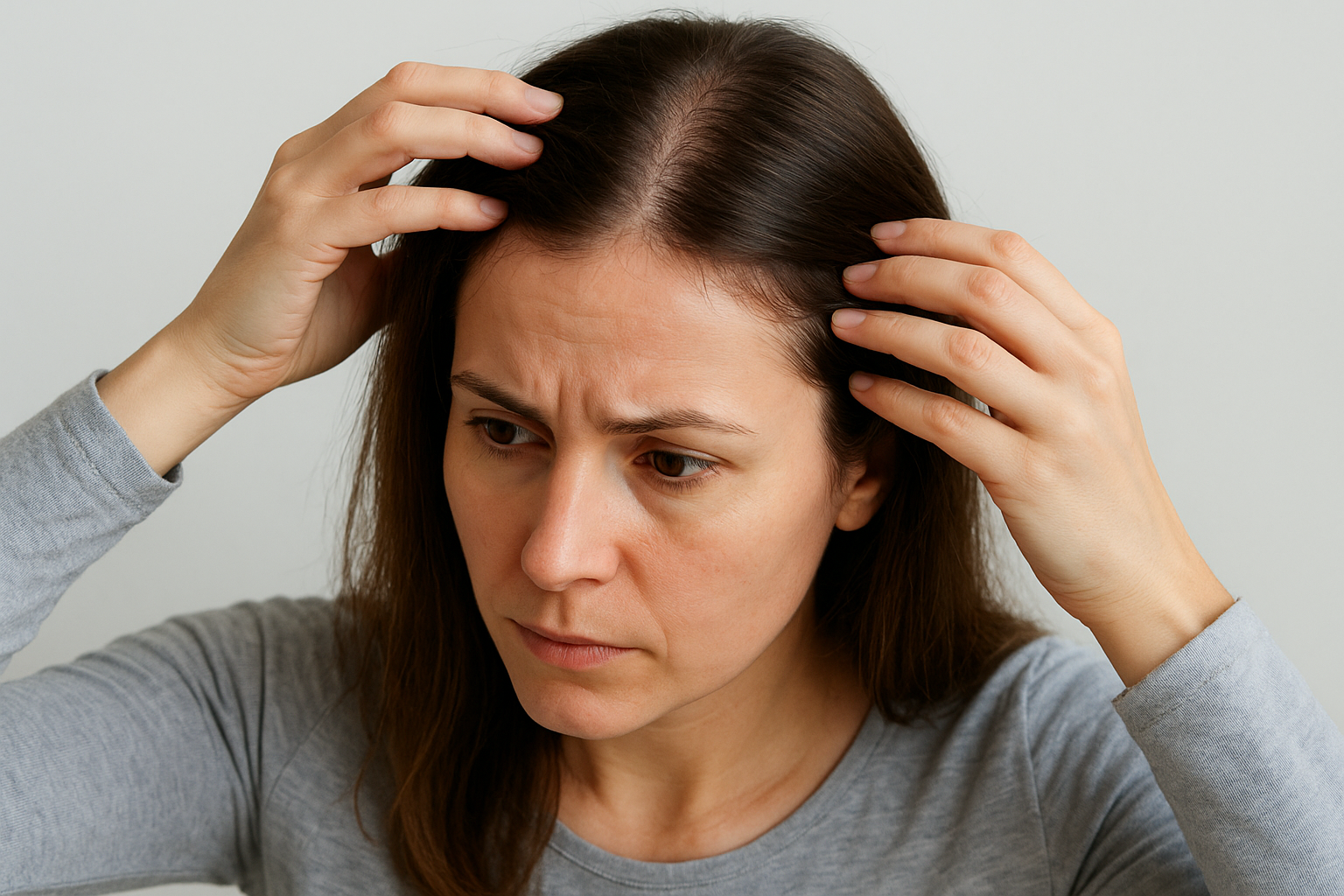
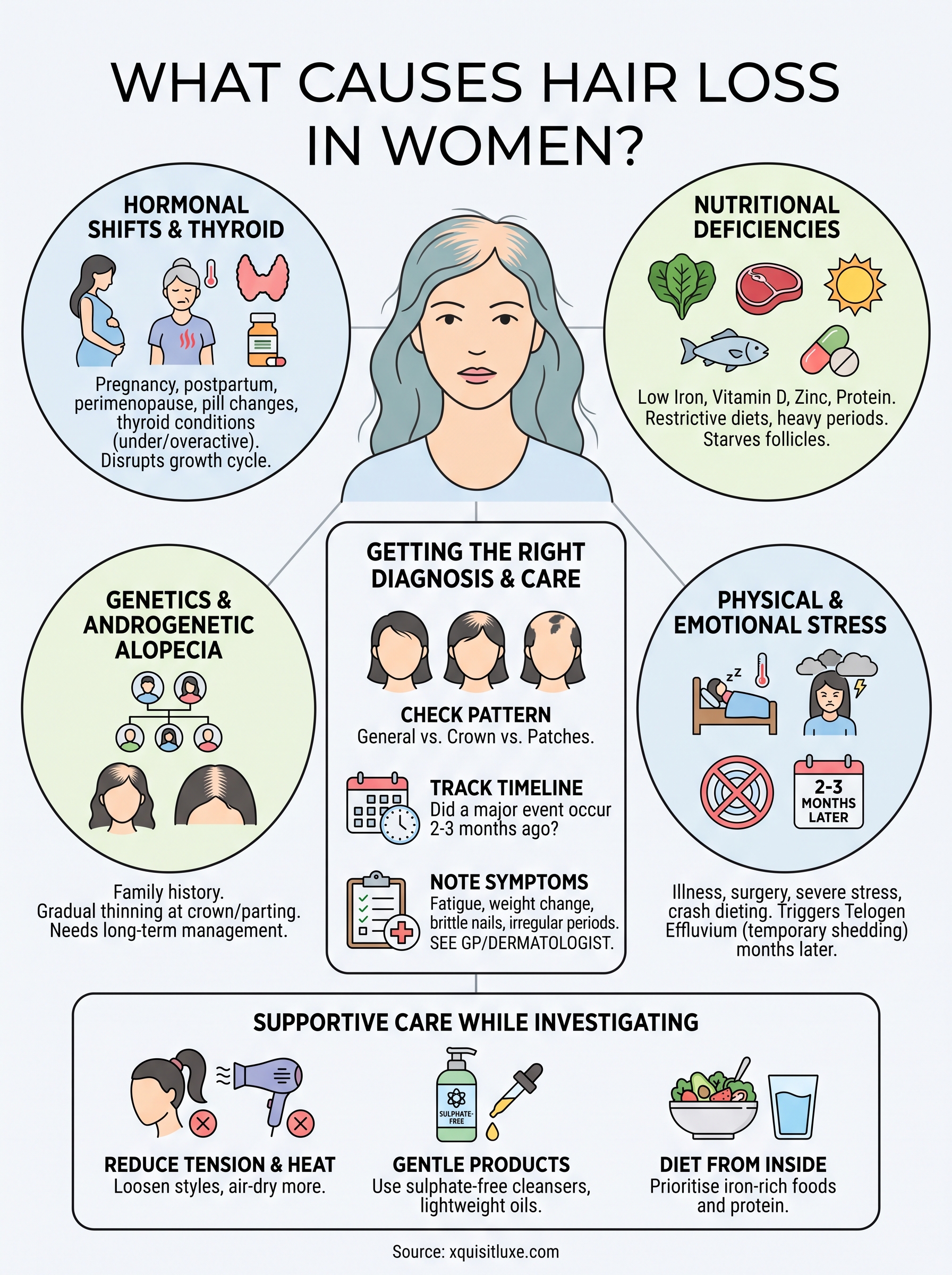
General thinning across the whole scalp often points to telogen effluvium (stress-related shedding) or a nutritional cause. A widening parting or thinning specifically at the crown suggests androgenetic alopecia. Round, coin-sized bald patches are a different picture entirely and usually mean alopecia areata, an autoimmune condition. Noting where the hair is actually disappearing narrows down the likely cause faster than any online quiz.
Track the timeline against life events
Hormonal and stress-related shedding typically shows up two to three months after the triggering event, not immediately. Ask yourself:
- Did you give birth, come off the pill, or start menopause in the last six months?
- Were you ill, on antibiotics, or under intense stress around three months ago?
- Has your diet changed significantly, including any crash dieting or new restrictions?
- Did you start a new medication recently?
If your shedding started roughly three months after a major physical or emotional event, that timing itself is a strong clue to the cause.
Check for accompanying symptoms
Hair loss rarely travels alone when there's a medical cause behind it. Fatigue, weight changes, irregular periods, or dry skin alongside thinning hair often point towards a thyroid imbalance or PCOS. Brittle nails and pale skin can accompany iron deficiency. Keeping a simple note of these symptoms, even a quick list on your phone, gives your GP something concrete to work with rather than a vague
Common causes of hair loss in women explained
Most cases of hair loss in women fall into a handful of well-documented categories, and knowing which one applies to you is the fastest route to real help. Genetics, hormones, nutrition, and physical stress account for the vast majority of cases seen by GPs and dermatologists, though several can overlap at once and make the picture messier than a single tidy diagnosis.
Hormonal changes and thyroid conditions
Hormones drive much of what happens to your hair, so shifts during pregnancy, postpartum recovery, perimenopause, or coming off the contraceptive pill often trigger noticeable shedding. An underactive or overactive thyroid disrupts the hair growth cycle in a similar way, pushing follicles into the resting phase earlier than they should. The British Thyroid Foundation notes that hair thinning is one of the more common symptoms reported alongside fatigue and unexplained weight changes.
Nutritional deficiencies
Low iron, vitamin D, zinc, or protein intake can starve follicles of what they need to keep growing properly. Restrictive diets, veganism without careful planning, or heavy menstrual periods are frequent culprits behind low iron stores specifically. Correcting the deficiency through diet or supplementation, ideally confirmed by a blood test rather than guesswork, usually brings visible improvement within a few months.
Genetics and androgenetic alopecia
Family history plays a major role in female pattern hair loss, which typically shows up as gradual thinning at the crown or a widening parting rather than a receding hairline. Unlike temporary shedding, this type of androgenetic alopecia progresses slowly over years and rarely resolves on its own without intervention.
Genetic hair loss rarely reverses without treatment, which is exactly why an early diagnosis matters more here than with almost any other cause.
Physical and emotional stress
Illness, surgery, sudden weight loss, or intense emotional stress can push a large batch of follicles into the shedding phase all at once, a condition called telogen effluvium. Shedding usually eases within six to nine months once the underlying stressor has passed, making this one of the more reassuring causes to identify and one that answers exactly what causes hair loss in women without pointing to anything permanent.
Caring for your hair and scalp while you investigate
While you're waiting on blood test results or a GP appointment, you don't have to sit back and watch your hair thin further. Gentle scalp care won't fix a hormonal imbalance or reverse genetic hair loss on its own, but it protects the follicles you still have and stops everyday habits from making shedding worse. Think of this stage as damage control, not treatment.
Reduce tension and heat wherever you can
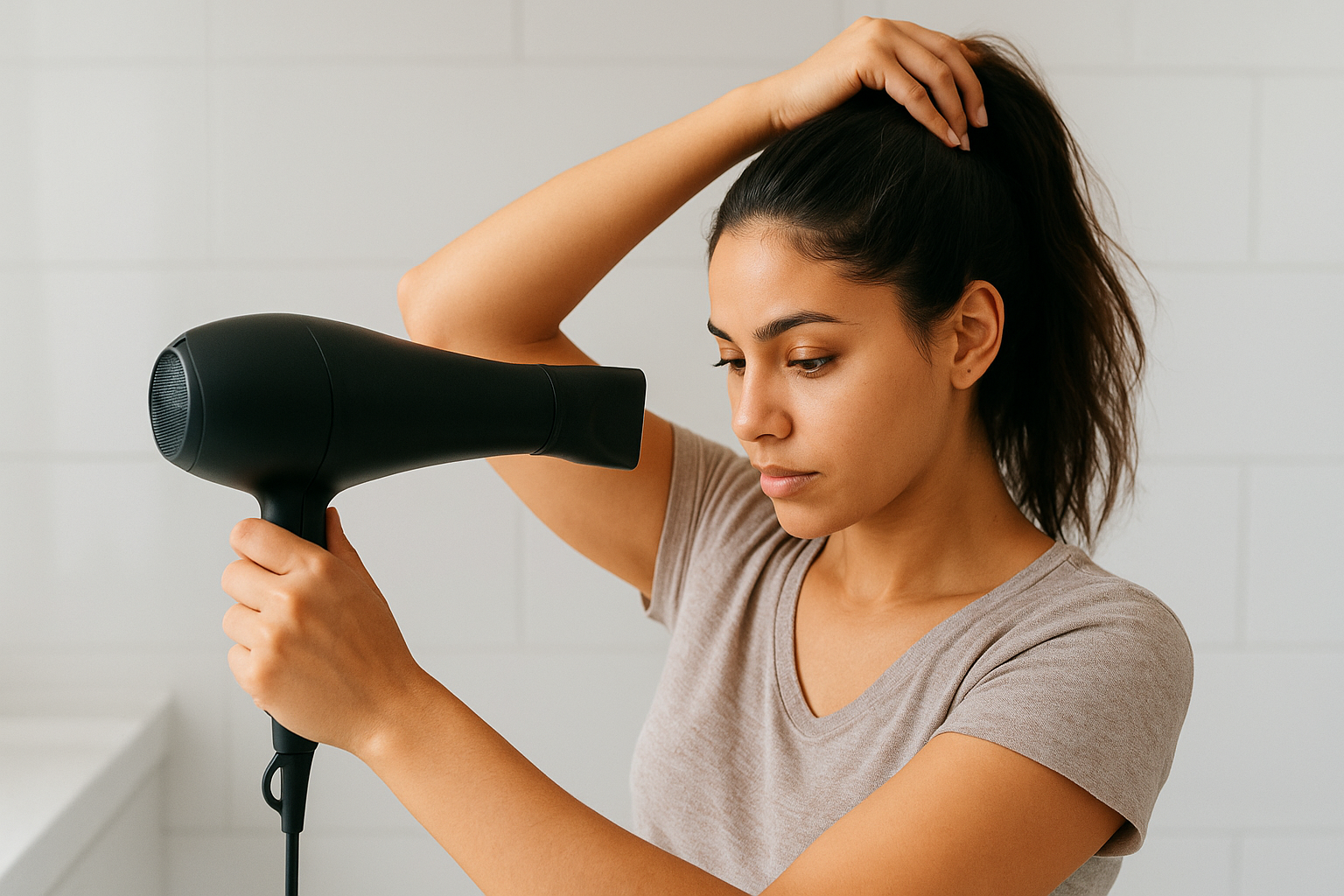
Tight ponytails, buns, and extensions pull on the follicle at the root, a condition called traction alopecia that adds insult to injury if you're already shedding for another reason. Swap daily heat styling for air-drying where possible, and loosen up hairstyles that tug at the hairline. Small changes here cost nothing and reduce the total load on your scalp while your body sorts out the underlying cause.
Choose products that support rather than strip
Harsh sulphates and heavy silicones can leave a stressed scalp feeling worse, especially if you're also dealing with dryness or irritation alongside the shedding. Look for cleansers formulated for sensitive scalps and lightweight oils that nourish without clogging follicles.
- Use a sulphate-free cleanser two to three times a week rather than daily
- Massage the scalp for a few minutes during washing to support circulation
- Apply a lightweight hair oil to the scalp overnight, then rinse in the morning
- Avoid tight elastics and clips overnight
Supporting your scalp properly won't cure the root cause, but it stops you losing more ground while you wait for answers.
Support your hair from the inside too
Diet matters here as much as anything you put on your scalp. Prioritise iron-rich foods like leafy greens, red meat, or fortified cereals, and don't underestimate the role of protein, since hair is built almost entirely from keratin. If you suspect a deficiency, don't self-prescribe high-dose supplements before a blood test confirms what you actually need, as excess iron or vitamin A can cause its own problems. Gentle, consistent care combined with patience gives your hair the best environment to recover once the real trigger is identified and addressed properly.
Moving forward with healthier hair
Hair loss in women rarely comes down to one tidy answer. Hormones, genetics, nutrition, and everyday stress all pull on your follicles in different ways, and getting the right diagnosis matters far more than reaching for the first product on the shelf. Pay attention to the pattern, track the timeline, and don't hesitate to book a GP appointment if something feels off. That single step can save you months of guessing.
While you wait for answers or work through a treatment plan, your scalp still deserves gentle, consistent care. Reducing tension, choosing the right cleansers, and feeding your hair from the inside won't reverse a genetic or hormonal cause on their own, but they protect what you've got in the meantime. If you're ready to build that routine, explore the natural, dermatologist-tested hair care range at Xquisit Luxe Self Care and give your hair the support it needs while you get to the root of the problem.
