


L'amincissement des cheveux, la perte excessive et la pousse lente touchent des millions de personnes au Royaume-Uni, et la bonne huile capillaire peut faire une réelle différence. Si vous cherchez la meilleure huile capillaire pour la pousse des cheveux au Royaume-Uni, vous ne manquez pas d'options, mais toutes les huiles ne tiennent pas leurs promesses. Certaines sont remplies de silicones et de parfums qui ne font guère plus que de donner à vos cheveux une bonne odeur pendant une heure. D'autres contiennent des ingrédients puissants, d'origine naturelle qui nourrissent réellement le cuir chevelu et favorisent des mèches plus fortes et plus épaisses au fil du temps.
Chez Xquisit Luxe Self Care, nous formulons nos produits de soins capillaires ici même au Royaume-Uni en utilisant des ingrédients naturels certifiés, sans produits chimiques agressifs, sans tests sur les animaux. Notre Huile de Croissance Capillaire et notre Pack de Repousse Capillaire ont été développés spécifiquement pour les personnes confrontées à l'amincissement et à la casse, nous savons donc ce qui sépare une huile efficace d'un gadget marketing.
Ce guide présente neuf huiles capillaires dignes d'attention, y compris ce qui rend chacune d'elles efficace, les types de cheveux auxquels elles conviennent le mieux et comment les utiliser correctement. Que vous soyez confronté à la perte de cheveux post-partum, à l'amincissement lié au stress ou que vous souhaitiez simplement des cheveux plus épais, vous trouverez une option solide ci-dessous. Nous avons également inclus les ingrédients clés à rechercher et quelques-uns à éviter, afin que vous puissiez faire vos achats en toute confiance.
1. Huile de croissance capillaire Xquisit Luxe
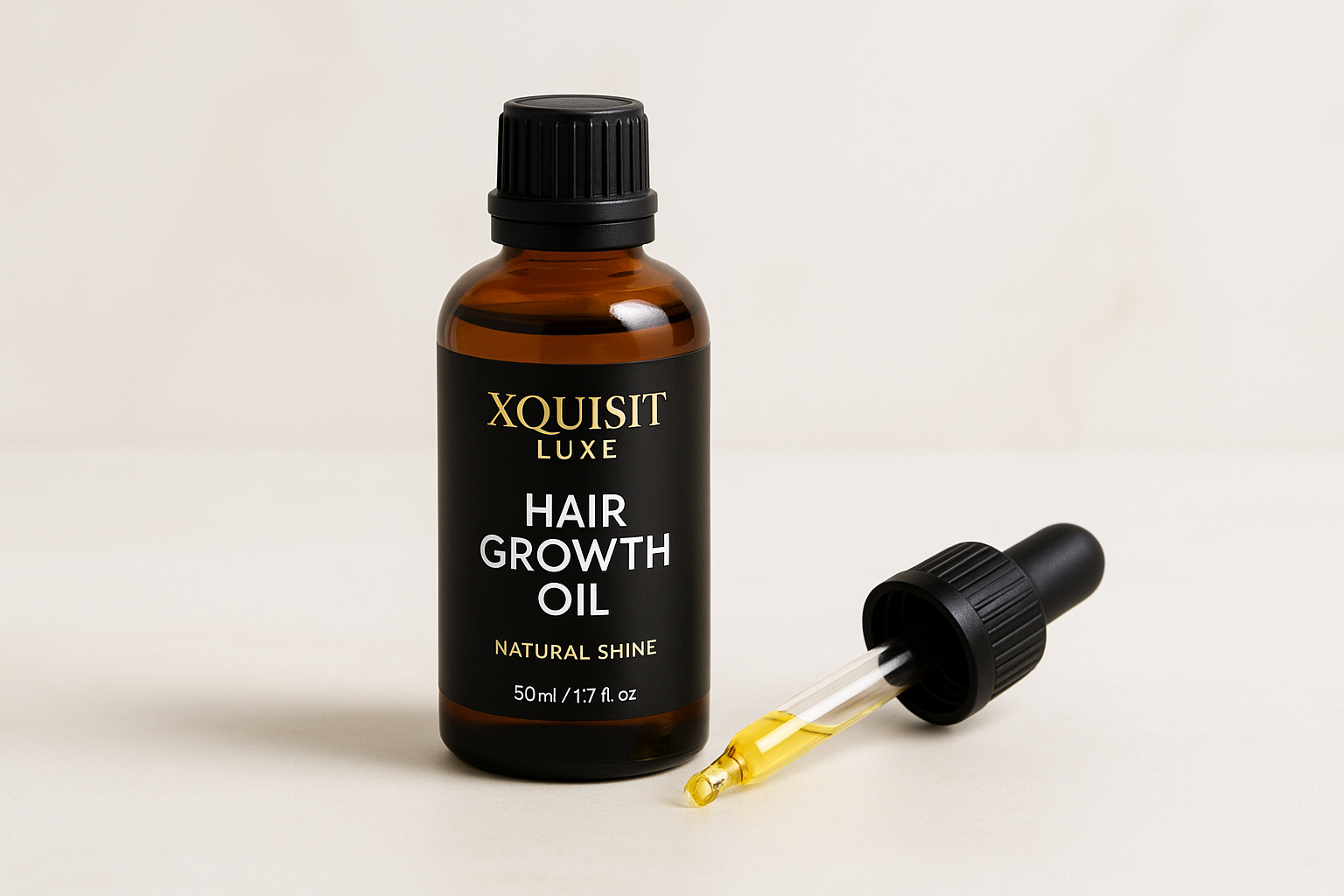
L'Huile de Croissance Capillaire Xquisit Luxe est en tête de cette liste pour de bonnes raisons. Elle combine un mélange soigneusement sélectionné d'huiles naturelles et d'extraits de plantes, tous formulés et produits au Royaume-Uni, pour cibler la cause profonde de l'amincissement des cheveux plutôt que de simplement enrober la surface.
Ce que c'est et à quoi s'attendre
L'Huile de Croissance Capillaire Xquisit Luxe est un traitement léger et à absorption rapide pour le cuir chevelu, élaboré à partir d'un mélange d'huiles végétales naturelles et d'ingrédients botaniques actifs. Vous pouvez vous attendre à une diminution de la perte de cheveux dès les premières semaines d'utilisation régulière, avec des améliorations visibles de la densité et de la longueur apparaissant généralement après six à huit semaines. Elle agit en s'attaquant directement à la santé du cuir chevelu et à la fonction des follicules pileux plutôt qu'en se contentant d'ajouter de la brillance ou de la douceur à vos cheveux.
Pourquoi elle peut favoriser la croissance et réduire la casse
Sa formule contient des ingrédients qui améliorent la circulation sanguine vers le cuir chevelu, ce qui apporte aux follicules l'oxygène et les nutriments dont ils ont besoin pour entrer et maintenir la phase de croissance. Elle contient également des huiles nourrissantes qui scellent l'humidité dans la tige capillaire, réduisant ainsi la fragilité qui conduit à la casse. Moins de casses signifie que vous conservez plus de longueur au fil du temps, ce qui est souvent la pièce manquante pour les personnes qui ont l'impression que leurs cheveux ne poussent jamais.
La santé du cuir chevelu est le fondement de la croissance des cheveux. Si votre cuir chevelu est sec, enflammé ou obstrué par des accumulations de produits, même la meilleure huile capillaire pour la croissance des cheveux au Royaume-Uni ne peut donner de résultats.
Comment l'utiliser dans une routine hebdomadaire
Appliquez trois à cinq gouttes directement sur votre cuir chevelu à l'aide de l'applicateur, puis massez pendant deux à trois minutes pour stimuler la circulation. Utilisez-la deux à trois fois par semaine, soit comme traitement de nuit, soit 30 minutes avant le lavage. L'application constante est plus importante qu'une utilisation intensive, donc une utilisation plus légère et plus fréquente est préférable à un trempage du cuir chevelu une fois par semaine.
À qui elle convient le mieux
Cette huile convient particulièrement bien aux personnes souffrant d'amincissement des cheveux lié au stress ou post-partum, ainsi qu'à celles ayant un cuir chevelu sec ou sensible. Comme la formule est testée dermatologiquement et exempte de parfums synthétiques, elle convient aux personnes ayant une peau réactive qui ont eu du mal à tolérer d'autres huiles capillaires par le passé.
Prix et où acheter au Royaume-Uni
Disponible directement sur xquisitluxe.com, vous pouvez également la trouver dans le Pack de Repousse Capillaire pour un meilleur rapport qualité-prix. Les commandes au Royaume-Uni de plus de 25 £ bénéficient de la livraison gratuite, et les nouveaux acheteurs peuvent bénéficier d'une réduction de 10 % en s'inscrivant à la newsletter.
2. Huile de romarin
L'huile de romarin a acquis une solide réputation comme l'une des meilleures huiles capillaires pour la pousse des cheveux que les acheteurs britanniques continuent de préférer, et la science le confirme. Une étude de 2015 publiée dans le SKINmed Journal a révélé que l'huile de romarin était comparable au minoxidil après six mois d'utilisation, avec moins d'effets secondaires signalés par les participants.
Ce que c'est et à quoi s'attendre
Extraite de la plante Rosmarinus officinalis, le romarin est une huile essentielle qui doit être diluée dans une huile végétale avant d'être appliquée sur le cuir chevelu. Vous pouvez vous attendre à une réduction de la perte de cheveux dans les quatre à six semaines d'utilisation régulière, avec des améliorations notables de l'épaisseur apparaissant généralement plus près de trois mois.
Pourquoi elle peut favoriser la croissance et réduire la casse
Le composé actif acide carnosique de l'huile de romarin aide à réparer les dommages nerveux et tissulaires, ce qui rajeunit la circulation du cuir chevelu et permet aux follicules de recevoir plus de nutriments. Elle possède également des propriétés anti-inflammatoires qui apaisent un cuir chevelu irrité ou squameux, créant un meilleur environnement pour une croissance soutenue.
Une application constante et diluée est bien plus importante que la concentration. L'application d'huiles essentielles non diluées directement sur votre cuir chevelu peut provoquer une irritation et aggraver la perte de cheveux.
Comment l'utiliser dans une routine hebdomadaire
Mélangez quatre à six gouttes d'huile essentielle de romarin avec une cuillère à soupe d'une huile porteuse comme l'huile de jojoba ou d'amande. Massez le mélange sur votre cuir chevelu deux à trois fois par semaine et laissez agir au moins 30 minutes avant le shampooing.
À qui elle convient le mieux
L'huile de romarin convient bien aux personnes souffrant d'alopécie androgénétique ou d'amincissement général, et convient à la plupart des types de cheveux. Les personnes ayant un cuir chevelu gras devraient choisir une huile porteuse plus légère, comme le jojoba, pour éviter d'alourdir les cheveux.
Prix et où acheter au Royaume-Uni
Vous pouvez trouver de l'huile essentielle de romarin pure dans les magasins d'aliments naturels et les détaillants en ligne au Royaume-Uni. Attendez-vous à payer entre 5 et 15 £ pour une bouteille de 10 ml de qualité auprès de fournisseurs réputés.
3. Huile de ricin
L'huile de ricin est l'une des huiles les plus utilisées pour la croissance des cheveux au Royaume-Uni, et sa consistance épaisse et collante fait partie de ce qui la rend si efficace. Elle est utilisée dans les soins capillaires et du cuir chevelu depuis des générations, et reste une option de choix pour les personnes recherchant un nourrissant dense et un moyen naturel de lutter contre l'amincissement.
Ce que c'est et à quoi s'attendre
Dérivée des graines de la plante Ricinus communis, l'huile de ricin est une huile épaisse, jaune pâle, très visqueuse. Attendez-vous à ce que vos cheveux soient visiblement plus forts et plus hydratés après quatre à six semaines d'utilisation régulière, bien que les améliorations de la croissance prennent généralement trois mois complets pour devenir visibles.
Pourquoi elle peut favoriser la croissance et réduire la casse
L'huile de ricin est riche en acide ricinoléique, un acide gras unique qui représente environ 90 % de sa composition. Ce composé améliore la circulation du cuir chevelu et possède des propriétés antifongiques et anti-inflammatoires qui aident à traiter les pellicules et les irritations du cuir chevelu, qui peuvent toutes deux ralentir le cycle de croissance des cheveux.
Un cuir chevelu sain et propre est essentiel si vous voulez que les meilleures options d'huile capillaire pour la croissance des cheveux au Royaume-Uni fonctionnent efficacement.
Comment l'utiliser dans une routine hebdomadaire
Comme l'huile de ricin est épaisse, mélangez-la avec une huile porteuse plus légère comme l'amande ou le jojoba dans un rapport de 1:2 avant d'appliquer. Massez sur votre cuir chevelu une à deux fois par semaine et laissez agir au moins une heure avant de rincer abondamment.
À qui elle convient le mieux
L'huile de ricin convient aux personnes ayant un cuir chevelu sec, des cheveux cassants ou des cheveux à croissance lente. Celles qui ont les cheveux fins ou gras devraient l'utiliser avec parcimonie, car une application excessive peut alourdir les mèches.
Prix et où acheter au Royaume-Uni
L'huile de ricin pressée à froid est disponible dans la plupart des magasins d'aliments naturels et en ligne au Royaume-Uni. Attendez-vous à payer entre 5 et 12 £ pour une bouteille de 100 ml de bonne qualité.
4. Huile de coco
L'huile de coco est l'un des noms les plus reconnaissables dans les soins capillaires naturels, et elle apparaît constamment dans les discussions sur la meilleure huile capillaire pour la croissance des cheveux que les acheteurs britanniques peuvent réellement trouver à petit prix. Sa grande disponibilité et son application polyvalente en font un point de départ pratique pour quiconque élabore une routine de soins du cuir chevelu.
Ce que c'est et à quoi s'attendre
Extraite des amandes de noix de coco matures, l'huile de coco est solide à température ambiante et fond rapidement entre les paumes avant application. La plupart des gens remarquent des cheveux plus doux et plus faciles à coiffer au cours des deux à trois premières semaines, tandis que des améliorations significatives de la casse et de la densité globale ont tendance à apparaître après six à huit semaines d'utilisation régulière.
Pourquoi elle peut favoriser la croissance et réduire la casse
L'huile de coco est exceptionnellement riche en acide laurique, un acide gras à chaîne moyenne avec une petite structure moléculaire qui peut pénétrer la tige capillaire plutôt que de simplement rester à sa surface. Cette pénétration réduit la perte de protéines pendant le lavage, qui est un facteur clé de casse chez les personnes ayant des cheveux fins ou traités chimiquement.
La perte de protéines est une cause principale de casse des cheveux, et la réduire par une application régulière d'huile vous aide à conserver une longueur significativement plus importante au fil du temps.
Comment l'utiliser dans une routine hebdomadaire
Faites chauffer une à deux cuillères à café entre vos paumes et appliquez-la directement sur votre cuir chevelu et vos mi-longueurs. Laissez agir de 30 minutes à toute une nuit avant de faire votre shampooing, et utilisez-la une à deux fois par semaine.
À qui elle convient le mieux
L'huile de coco convient mieux aux personnes ayant les cheveux secs, épais ou colorés. Celles qui ont les cheveux fins ou à faible porosité devraient l'utiliser avec parcimonie, car elle peut provoquer une accumulation.
Prix et où acheter au Royaume-Uni
Vous pouvez trouver de l'huile de coco pressée à froid et non raffinée dans la plupart des supermarchés et magasins d'aliments naturels du Royaume-Uni. Attendez-vous à payer entre 4 et 10 £ pour un pot de 200 ml à 300 ml.
5. Huile de jojoba
L'huile de jojoba se distingue de la plupart des autres huiles capillaires car elle est techniquement une cire liquide, et non une huile. Cette distinction est importante car le jojoba imite étroitement le sébum que votre cuir chevelu produit naturellement, ce qui le rend exceptionnellement bien toléré et facile à absorber sans laisser de résidus lourds.
Ce que c'est et à quoi s'attendre
Extraite des graines de l'arbuste Simmondsia chinensis, l'huile de jojoba a une couleur dorée et une texture légère et soyeuse. La plupart des gens remarquent un cuir chevelu plus équilibré et moins de gras dans les deux à trois semaines d'utilisation régulière, avec une amélioration de la force des cheveux et une réduction de la casse apparaissant généralement après quatre à six semaines d'application constante.
Pourquoi elle peut favoriser la croissance et réduire la casse
Le jojoba aide à déboucher les follicules pileux en dissolvant l'excès de sébum et l'accumulation de produits qui peuvent bloquer la croissance au fil du temps. Il délivre également des vitamines B et E ainsi que du zinc directement au cuir chevelu, tous ces éléments favorisant la santé des follicules et le cycle de croissance des cheveux.
Un follicule obstrué ne peut pas produire de cheveux efficacement, donc maintenir votre cuir chevelu propre est l'une des mesures les plus directes que vous puissiez prendre pour une croissance soutenue.
Comment l'utiliser dans une routine hebdomadaire
Appliquez quatre à six gouttes directement sur votre cuir chevelu deux à trois fois par semaine et massez pendant deux minutes. Vous pouvez également utiliser le jojoba comme huile porteuse pour diluer les huiles essentielles comme le romarin ou la menthe poivrée avant l'application sur le cuir chevelu.
À qui elle convient le mieux
Le jojoba convient à tous les types de cheveux, mais fonctionne particulièrement bien pour les cuirs chevelus gras et toute personne confrontée à l'accumulation de produits. Sa texture légère en fait l'une des meilleures huiles capillaires pour la croissance des cheveux au Royaume-Uni pour les personnes aux cheveux fins qui craignent d'alourdir leurs mèches.
Prix et où acheter au Royaume-Uni
L'huile de jojoba est largement disponible dans les magasins d'aliments naturels et les détaillants en ligne au Royaume-Uni. Attendez-vous à payer entre 6 et 14 £ pour une bouteille de 50 ml d'huile pressée à froid et non raffinée.
6. Huile d'argan
L'huile d'argan provient des amandes de l'arganier (Argania spinosa), originaire du Maroc, et a acquis une solide réputation en matière de soins capillaires pour sa capacité à lisser, renforcer et protéger sans alourdir. C'est l'une des options les plus raffinées de cette liste, se situant confortablement entre une huile de traitement et une huile de finition.
Ce que c'est et à quoi s'attendre
L'huile d'argan a une texture légère et dorée qui pénètre rapidement le cuir chevelu et la tige capillaire. La plupart des gens remarquent une réduction des frisottis et une amélioration de la brillance dès la première semaine d'utilisation, avec des mèches plus fortes et moins sujettes à la casse devenant généralement apparentes après quatre à six semaines d'application régulière.
Pourquoi elle peut favoriser la croissance et réduire la casse
L'huile d'argan est riche en acides oléique et linoléique, qui nourrissent les follicules pileux et aident le cuir chevelu à maintenir un équilibre hydrique sain. Elle fournit également une forte concentration de vitamine E et d'antioxydants qui protègent le cuir chevelu du stress oxydatif, un facteur qui peut perturber le cycle naturel de croissance des cheveux au fil du temps.
Le stress oxydatif au niveau du cuir chevelu peut raccourcir la phase de croissance active de vos follicules pileux, donc l'utilisation constante d'une huile riche en antioxydants aide à protéger le cycle.
Comment l'utiliser dans une routine hebdomadaire
Faites chauffer trois à quatre gouttes entre vos paumes et massez votre cuir chevelu deux à trois fois par semaine. Vous pouvez également appliquer une petite quantité sur vos mi-longueurs et pointes après le lavage pour réduire la casse entre les traitements.
À qui elle convient le mieux
L'huile d'argan est l'une des meilleures huiles capillaires pour la croissance des cheveux les plus polyvalentes disponibles au Royaume-Uni, convenant à tous les types de cheveux, y compris les cheveux fins, colorés et abîmés par la chaleur.
Prix et où acheter au Royaume-Uni
L'huile d'argan pure est largement disponible chez les détaillants de produits de santé britanniques et en ligne. Attendez-vous à payer entre 8 et 18 £ pour une bouteille de 50 ml de qualité d'huile d'argan pressée à froid et non raffinée.
7. Huile d'amande
L'huile d'amande est une option sous-estimée mais efficace parmi les meilleures huiles capillaires pour la pousse des cheveux disponibles au Royaume-Uni aujourd'hui. Elle offre une approche douce mais nourrissante des soins du cuir chevelu, la rendant accessible même aux personnes ayant une peau sensible ou un cuir chevelu réactif.
Ce que c'est et à quoi s'attendre
Pressée à partir des amandes de d'amandes douces (Prunus dulcis), l'huile d'amande a une couleur dorée pâle et une texture lisse et non grasse qui la rend facile à appliquer sur le cuir chevelu et les cheveux. Attendez-vous à une réduction de la sécheresse et à une amélioration de la douceur dans les deux à trois semaines d'utilisation régulière, avec des réductions notables de la casse apparaissant après quatre à six semaines d'application constante.
Pourquoi elle peut favoriser la croissance et réduire la casse
L'huile d'amande est riche en magnésium, un minéral directement lié à la réduction de la perte de cheveux en renforçant la tige capillaire. Elle fournit également une teneur élevée en vitamine E ainsi que des acides oléique et linoléique qui nourrissent les follicules et aident à maintenir l'équilibre hydrique du cuir chevelu sans obstruer les pores.
Une carence en magnésium a été associée à une augmentation de la perte de cheveux, de sorte que l'utilisation constante d'une huile riche en magnésium aide à corriger l'un des facteurs moins évidents de l'amincissement.
Comment l'utiliser dans une routine hebdomadaire
Faites chauffer trois à quatre gouttes entre vos paumes et massez directement votre cuir chevelu deux à trois fois par semaine. Vous pouvez également appliquer une petite quantité sur vos pointes comme traitement sans rinçage pour réduire les pointes fourchues et la casse entre les lavages.
À qui elle convient le mieux
L'huile d'amande convient particulièrement bien aux personnes ayant les cheveux secs, cassants ou fins, et convient aux cuirs chevelus sensibles en raison de son profil doux et peu irritant.
Prix et où acheter au Royaume-Uni
L'huile d'amande douce pressée à froid est largement disponible dans les magasins d'aliments naturels et les détaillants en ligne du Royaume-Uni. Attendez-vous à payer entre 4 et 10 £ pour une bouteille de 100 ml de qualité.
8. Huile de menthe poivrée
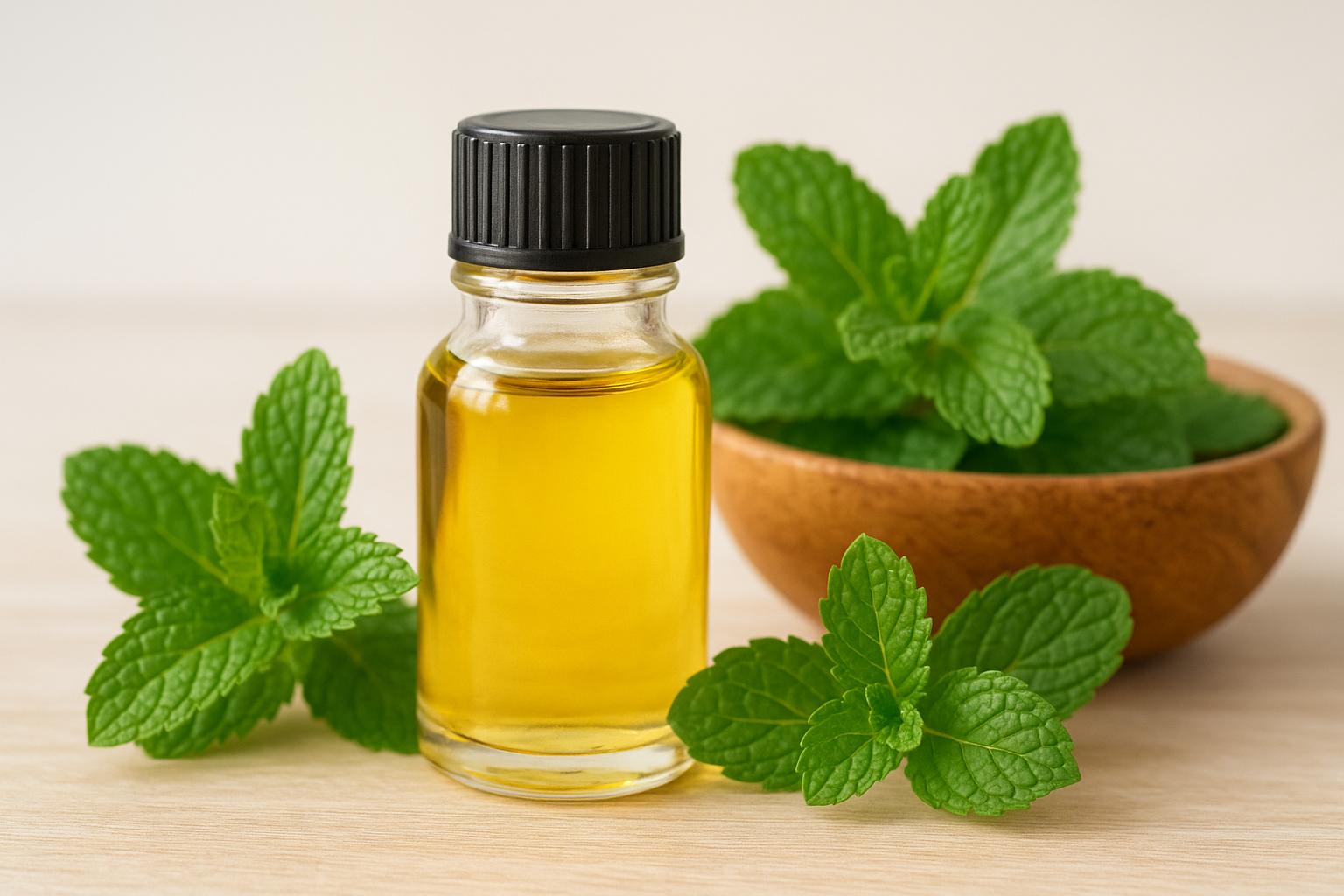
L'huile essentielle de menthe poivrée est l'une des huiles essentielles les plus étayées par la recherche pour la stimulation du cuir chevelu, et elle mérite sa place parmi les meilleures huiles capillaires pour la croissance des cheveux au Royaume-Uni grâce à son effet direct et mesurable sur l'activité des follicules.
Qu'est-ce que c'est et à quoi s'attendre
Dérivée de la plante Mentha piperita, l'huile essentielle de menthe poivrée est une huile essentielle puissante qui doit toujours être diluée avant d'être appliquée sur le cuir chevelu. La plupart des gens ressentent une sensation de fraîcheur et de picotement immédiatement après l'application, ce qui signale une augmentation du flux sanguin vers la zone. Des réductions visibles de la chute des cheveux apparaissent généralement après six à huit semaines d'utilisation régulière.
Pourquoi elle peut favoriser la croissance et réduire la casse
Le principal composé actif de l'huile de menthe poivrée est le menthol, qui agit comme un vasodilatateur, dilatant les vaisseaux sanguins du cuir chevelu et augmentant la circulation vers les follicules pileux. Une étude de 2014 publiée dans Toxicological Research a révélé que l'huile de menthe poivrée augmentait la profondeur et le nombre des follicules en quatre semaines d'application topique.
La vasodilatation au niveau du cuir du chevelu augmente directement l'apport d'oxygène et de nutriments aux follicules, favorisant une phase de croissance plus longue et plus productive.
Comment l'utiliser dans une routine hebdomadaire
Mélangez trois à cinq gouttes d'huile essentielle de menthe poivrée avec une cuillère à soupe d'huile végétale comme l'huile de jojoba ou d'amande. Massez le mélange sur votre cuir chevelu deux à trois fois par semaine et laissez-le agir pendant au moins 20 minutes avant de le rincer.
À qui elle convient le mieux
L'huile de menthe poivrée convient parfaitement aux personnes ayant un cuir chevelu gras ou congestionné, car elle aide à réguler la production de sébum tout en stimulant la croissance. Les personnes ayant une peau sensible ou abîmée sur le cuir chevelu devraient l'éviter jusqu'à ce que la peau soit complètement guérie.
Prix et où acheter au Royaume-Uni
Vous pouvez trouver de l'huile essentielle de menthe poivrée pure dans la plupart des magasins d'aliments naturels et des détaillants en ligne au Royaume-Uni. Attendez-vous à payer entre 4 £ et 10 £ pour une bouteille de 10 ml de qualité provenant d'un fournisseur réputé.
9. Huile de graines noires
L'huile de graines noires est l'une des options les plus puissantes parmi les meilleures huiles capillaires pour la pousse des cheveux au Royaume-Uni que recherchent les personnes ayant les cheveux clairsemés ou sujets à la chute. Sa longue histoire dans la médecine traditionnelle, combinée à un nombre croissant de recherches modernes, en fait un choix convaincant.
Qu'est-ce que c'est et à quoi s'attendre
Pressée à partir des graines de Nigella sativa, l'huile de graines noires a une couleur ambre foncé et un arôme distinctif, légèrement amer. Vous pouvez vous attendre à une réduction de la chute des cheveux et à un cuir chevelu moins irrité en quatre à six semaines, avec des améliorations visibles de la densité apparaissant généralement après huit à dix semaines d'utilisation régulière.
Pourquoi elle peut favoriser la croissance et réduire la casse
L'huile de graines noires contient de la thymoquinone, un composé aux propriétés anti-inflammatoires et antioxydantes bien documentées qui aident à protéger les follicules des dommages et à soutenir un cycle de croissance sain. Elle fournit également des acides gras essentiels et des acides aminés qui renforcent la tige capillaire et réduisent la fragilité qui conduit à la casse.
La thymoquinone réduit directement l'inflammation du cuir chevelu, qui est l'une des causes les plus courantes mais négligées de la chute chronique des cheveux.
Comment l'utiliser dans une routine hebdomadaire
Massez trois à cinq gouttes sur votre cuir chevelu deux à trois fois par semaine, seule ou mélangée à une huile végétale plus légère comme le jojoba. Laissez agir pendant au moins 30 minutes avant de rincer abondamment.
À qui elle convient le mieux
L'huile de graines noires convient particulièrement aux personnes souffrant de chute de cheveux liée à l'inflammation ou d'alopécie areata, et elle convient à la plupart des types de cheveux, y compris les cheveux naturels et traités chimiquement.
Prix et où acheter au Royaume-Uni
L'huile de graines noires pressée à froid est disponible dans les magasins d'aliments naturels et les détaillants en ligne du Royaume-Uni. Attendez-vous à payer entre 6 £ et 14 £ pour une bouteille de 100 ml de qualité.
Bref récapitulatif
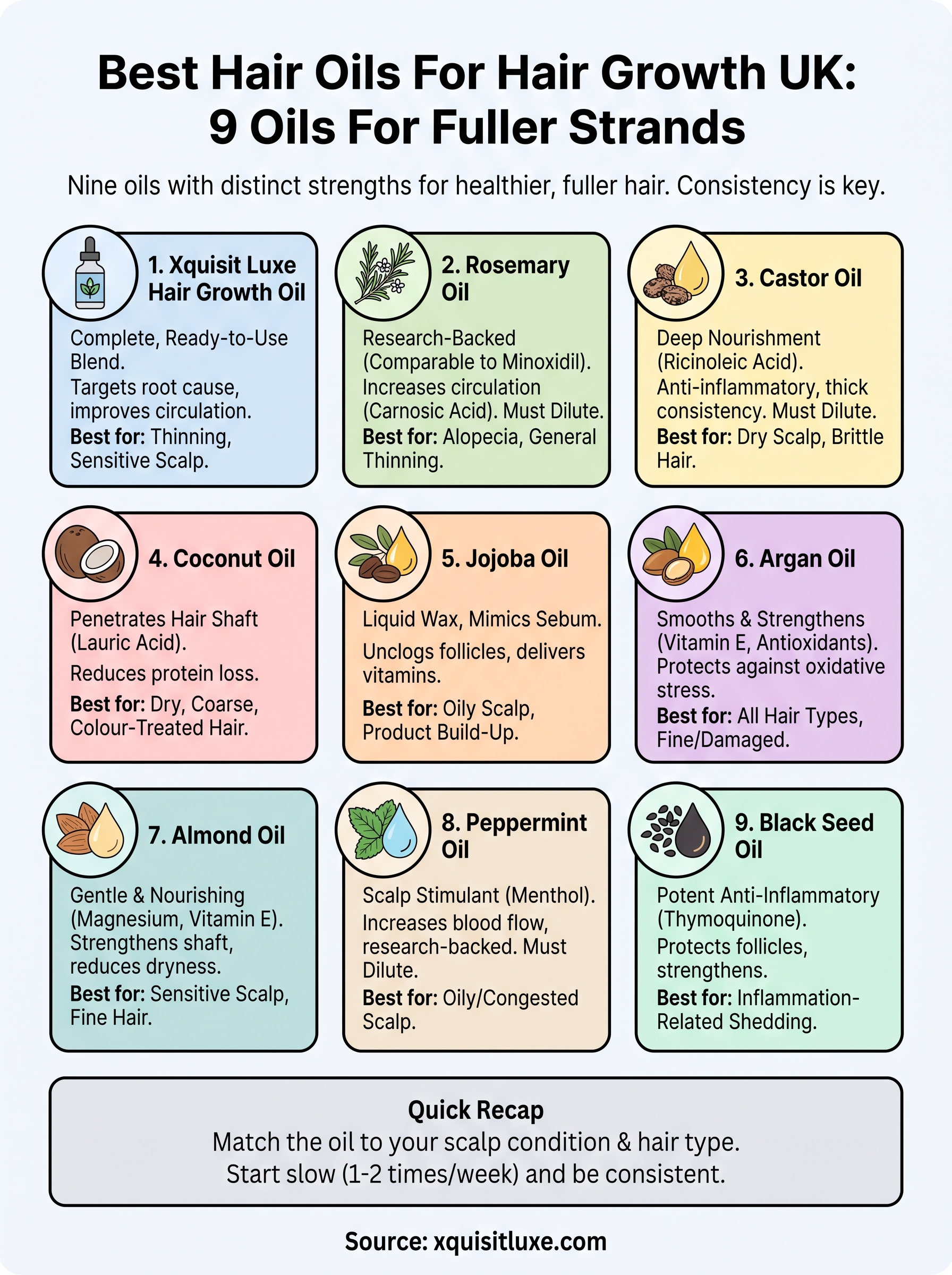
Neuf huiles, chacune avec une force distincte. Si vous voulez une formule complète, prête à l'emploi, spécialement conçue pour les cheveux clairsemés, l'Huile de Croissance Capillaire Xquisit Luxe vous offre un mélange testé par des dermatologues sans conjectures. L'huile de romarin et de menthe poivrée convient à ceux qui veulent une stimulation du cuir chevelu basée sur la recherche à un coût abordable, à condition de les diluer correctement. L'huile de ricin et de noix de coco apportent une nutrition profonde aux mèches sèches et cassantes, tandis que le jojoba est le plus efficace lorsque votre cuir chevelu a besoin d'être rééquilibré. L'huile d'argan et d'amande offrent des options plus légères et quotidiennes qui protègent autant qu'elles traitent. L'huile de graines noires complète la liste pour quiconque souffre d'une chute de cheveux due à l'inflammation.
Trouver la meilleure huile capillaire pour la pousse des cheveux au Royaume-Uni dépend de l'adéquation de l'huile à l'état spécifique de votre cuir chevelu et à votre type de cheveux. La constance compte toujours plus que la quantité. Commencez par une ou deux applications par semaine, attendez au moins six semaines et suivez vos résultats. Explorez la gamme complète de soins capillaires Xquisit Luxe pour trouver ce qui convient à votre routine.
